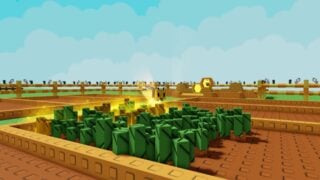
Complete Guide to Collecting All Items in the Grow A Garden Bizzy Bees Event 2026
Consult the hivemind.
The post How To Get Everything In The Grow A Garden Bizzy Bees Event 2026 appeared first on Gamezebo.
Consult the hivemind.
The post How To Get Everything In The Grow A Garden Bizzy Bees Event 2026 appeared first on Gamezebo.
Sundays are, and apologies in advance for the less-fun-than-average intro, for peeling back the layers of the smelly legal onion that is scattering pet ashes in the UK. The government’s Regulatory Position Statement (or RPS – no relation) suggests this is only easily done on property you already own, which makes things tricky for my flat leasehold – if you’re unfamiliar with this term, it’s a bit like what Steam is to games, in that I don’t technically own jack shit. My willingness to sneakily spread Roxy, who I’m more pleased to report went to sleep while blissfully stoned, across a nearby garden has also been sapped by the knowledge that ashes are highly alkaline, and could thus kill weaker plants and grasses. Shame, really. She loved destroying things.
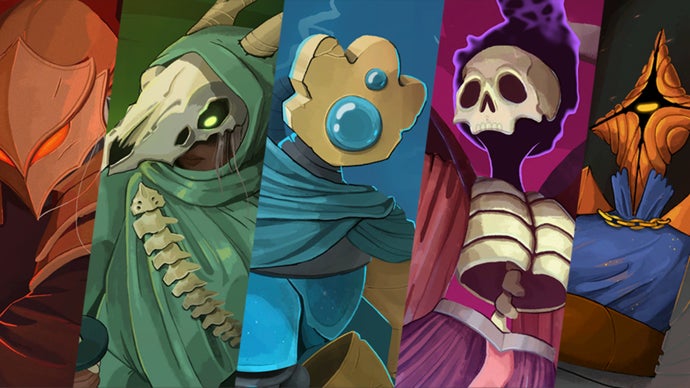
Another week, another Slay the Spire 2 patch! Or really I should say another couple of weeks. The new beta version of the game, v0.105.0, is ready for those of you on the beta branch to try out, and the first point of order is bi-weekly patching. “As you’ve probably noticed, we’re moving to patch every 2 weeks rather than weekly as outlined in our Early Access Disclaimer,” explain developer Mega Crit.
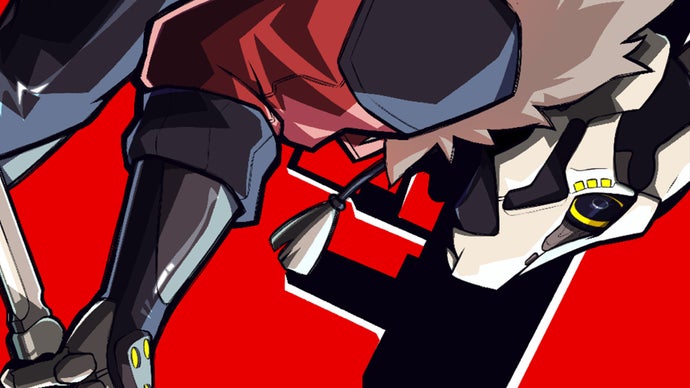
The year is 3232 CE, a “self-replicating megastructure” named MOTHER is launched into the centre of space. Fast forward to the year 4,199,245,344,263,242,348,389,893,582,349,373 CE (no I’m not joking), and MOTHER has “consumed 99.99999997% of the Observable Universe.” What’s left of humanity hangs on in that tiny percentage that hasn’t be consumed, which is where you, a Reaper, a creation of MOTHER’s, steps in as part of AlteredBlood+, a movement-FPS platformer where the blood of your enemies is your strength. Also you’re a furry!
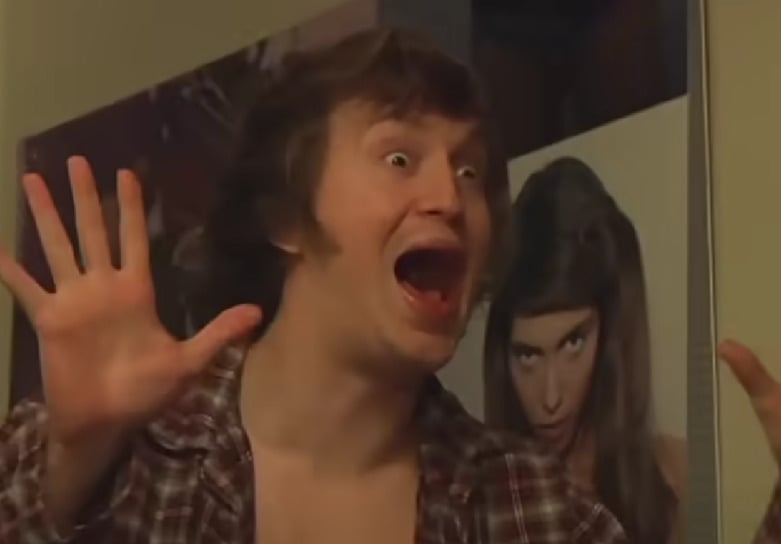
### The Heritage of Nirvanna the Band and the Progression of Retro Gaming
In the lively realm of retro gaming, Matt Johnson and Jay McCarrol have established themselves as the minds behind Nirvanna the Band, a comedic pair that transitioned from online skits to mainstream appeal with a successful television series and movie. Throughout their creative journey, they crafted an unforgettable musical homage to Nintendo’s Virtual Console, showcasing the gems of retro gaming that many fans hold dear. Fast forward 15 years, a dedicated fan has taken the initiative to modernize the iconic Wii Shop Wednesday tune, now titled “Update Day,” to mirror the present-day landscape of retro game options on the Nintendo Switch.
### The Redesigned “Update Day”
Initially, “Update Day” was a bossa nova-influenced melody celebrating the expansive catalogue of games offered on the Virtual Console. With nostalgic references to classic titles like **F-Zero**, **ToeJam & Earl in Panic on Funkotron**, and **Donkey Kong Jr. Math**, it embodied the spirit of a more innocent time. Nevertheless, the recent fan modification underscores the obstacles retro gamers encounter today. Although the song continues to name cherished classics, fans experience a sense of letdown when titles like **Ninja Gaiden** and **Adventures of Lolo** disappear mid-verse, symbolizing their absence from the current gaming scene.
The revised version reflects the changes instigated by the Nintendo Switch Online (NSO) initiative, which operates under a subscription framework. While it does provide access to a modest array of vintage titles from the NES through to the GameCube—and even includes Sega Genesis offerings—NSO’s selection falls short of the extensive library once accessible via the Virtual Console. The classic one-time purchase model of the Virtual Console enabled gamers to amass an impressive range of lesser-known titles from systems like Turbografx, Neo Geo, MSX, and more, leaving many fans longing for the richness and variety of those collections.
### Evaluations and Comparisons
Even with the nostalgic allure of “Update Day,” the newly edited iteration fails to narrate the entire narrative of retro gaming availability on contemporary consoles. Certain titles, such as **Mega Turrican** and **Fatal Fury**, continue to reside on the Nintendo eShop, while others, including Namco’s classic **Dig Dug**, remain irritatingly absent despite the existence of its sequel, **Dig Dug 2**. This inconsistency highlights Nintendo’s current strategy, which appears to be shaped by collaborations with publishers like Koei, Sunsoft, and Interplay. Consequently, particular classic games are now better positioned as separate purchases through remakes or remasters, such as Nintendo’s revived **Super Mario RPG**.
### The Ongoing Impact of Nirvanna the Band
Nirvanna the Band’s cultural footprint remains substantial, with “Update Day” serving as one of their most beloved segments alongside other popular comedic sketches, such as the “genderless burger experience.” Matt Johnson continues to excel creatively, pursuing film directing with projects like **Blackberry** and the forthcoming Anthony Bourdain biopic, while also producing content inspired by the cherished card game, **Magic: The Gathering**.
Earlier this year, the debut of **Nirvanna the Band the Show the Movie** astonished audiences with its success, showcasing the enduring relevance of their humor. Notably, Johnson’s film draws from the classic Super Nintendo treasure **Chrono Trigger**, a title that, like many others, was hosted on the Virtual Console but is conspicuously absent from the current Switch selection.
### Conclusion
The transformation of retro gaming platforms such as the Nintendo Switch Online illuminates both the nostalgia for previous gaming moments and the evolving landscape of the industry. As fans reflect on the pleasures of the Virtual Console through catchy melodies like “Update Day,” the dialogue regarding access to classic titles only grows stronger. With creators like Matt Johnson continuing to innovate and amuse, the legacy of Nirvanna the Band endures, reminding us of the unique convergence between retro gaming culture and contemporary creativity.
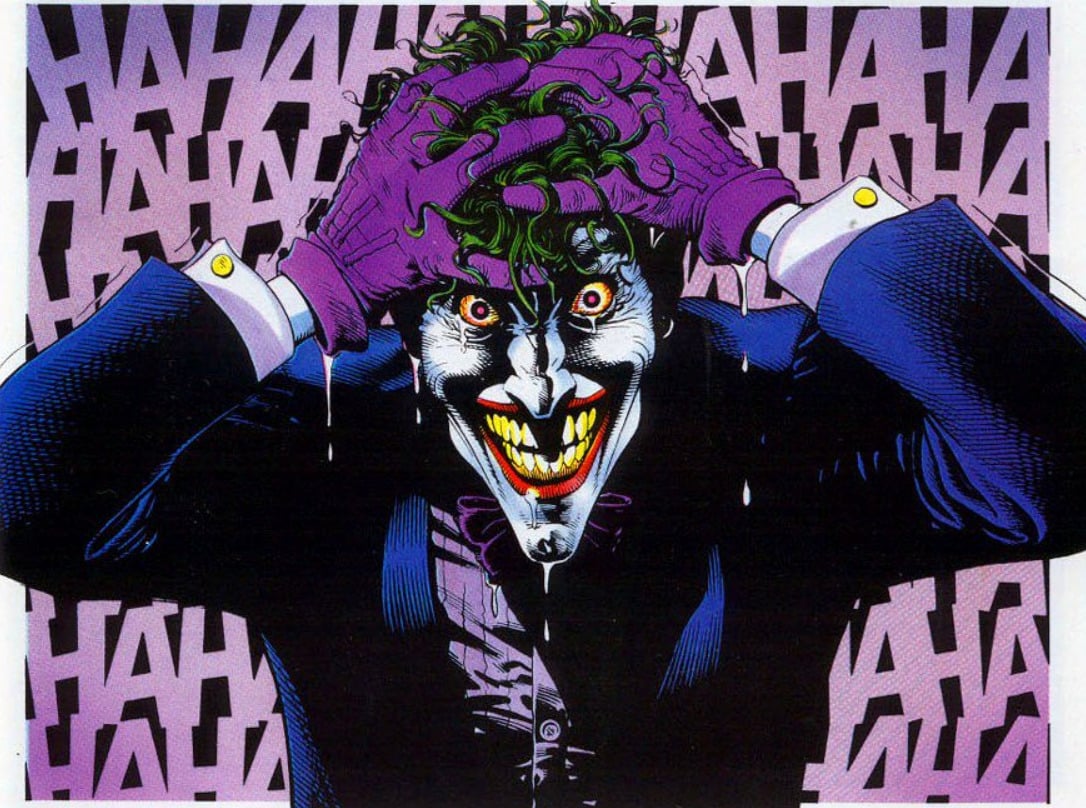
# Batman: The Killing Joke – Avant-Garde Edition
**Batman: The Killing Joke** is recognized as one of the foremost stories in the Dark Knight’s saga. Created by the iconic Alan Moore and illustrated by Brian Bolland, this graphic novel invites audiences on a dark journey into the intricate conflict between Batman and the Joker. It functions as a measure of Batman’s fortitude against a Joker who personifies a notably brutal and contemporary character, advancing the figure beyond earlier depictions of the clown prince of crime. The significance of this creation endures within the Batman tradition, shaping multiple adaptations and interpretations across various forms of media.
Argent Comics, a specialized publisher located in Croatia, has generated considerable excitement within the comic book scene with their unveiling of the **Batman: The Killing Joke Avant-Garde Edition**. This premium release, with a staggering price tag of $17,000 per copy, intends to blend fine art with the realm of comics. The Avant-Garde Edition comes in distinctive packaging—a replica of the camera used by the Joker in a key scene involving Barbara Gordon. Each edition includes giclée printing, robust aluminum board binding, and opulent goatskin leather lining. With only 47 copies up for grabs, this limited edition corresponds to the atomic number of the silver-like Hahnemühle metallic paper utilized in its creation. Each copy will carry the signature of Brian Bolland, although obtaining a signature from Alan Moore is exceedingly improbable.
One of the most striking features of this Avant-Garde Edition is its engagement with ongoing discussions surrounding the different print runs of **The Killing Joke**. The criticism mainly arises from the 2008 Deluxe Edition released by DC Comics, which underwent a re-coloring adjustment that modified the vibrant and textured hues originally crafted by colorist John Higgins in the 1988 release. Fans have voiced dissatisfaction with this alteration, especially since it compromised the original artistic integrity. Argent Comics’ version notably reinstates Higgins’ original colors, addressing a major concern among collectors and enhancing the value of this exclusive edition.
To foster interaction with its upscale offering, Argent Comics invites collectors to visit their Zagreb office, by appointment, to experience the **Killing Joke** firsthand. This initiative provides potential buyers a tangible connection with the artwork, challenging the perception of high-priced comics. In contrast to the luxury of the Avant-Garde Edition, the triumph of DC’s Compact Comics line presents an intriguing counterpart. This line offers classic tales, including Moore’s **Watchmen**, in more accessible formats, catering to a wider audience and underscoring affordability in comic book ownership.
In conclusion, the **Batman: The Killing Joke Avant-Garde Edition** transcends being merely a collector’s item; it represents a reinterpretation of a landmark work that aspires to elevate it to the realm of fine art. As it pushes the limits of how comic books are appreciated and valued, it embodies the fusion of distinctive artistic expression and literary storytelling within the superhero genre.
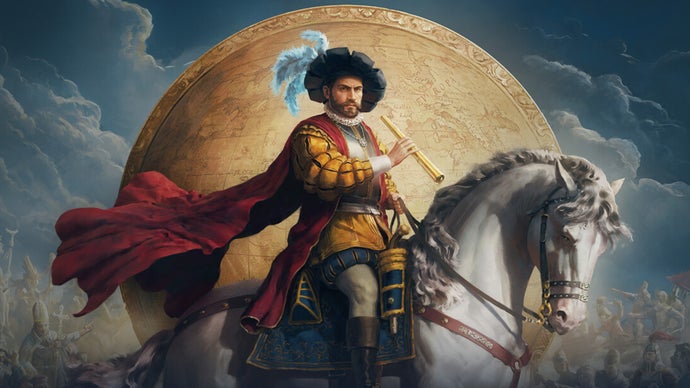
The latest patch for Europa Universalis 5 dropped earlier this week. Numbered 1.2 and titled Echinades, it is the game’s “biggest update yet,” as true a sounding statement as can be given that the patch notes come out to apparently 72 pages in a Google Doc. I don’t have time to read all of that! So I won’t, but I will tell you about the highlights kindly outlined by Paradox Tinto that feature in this update.
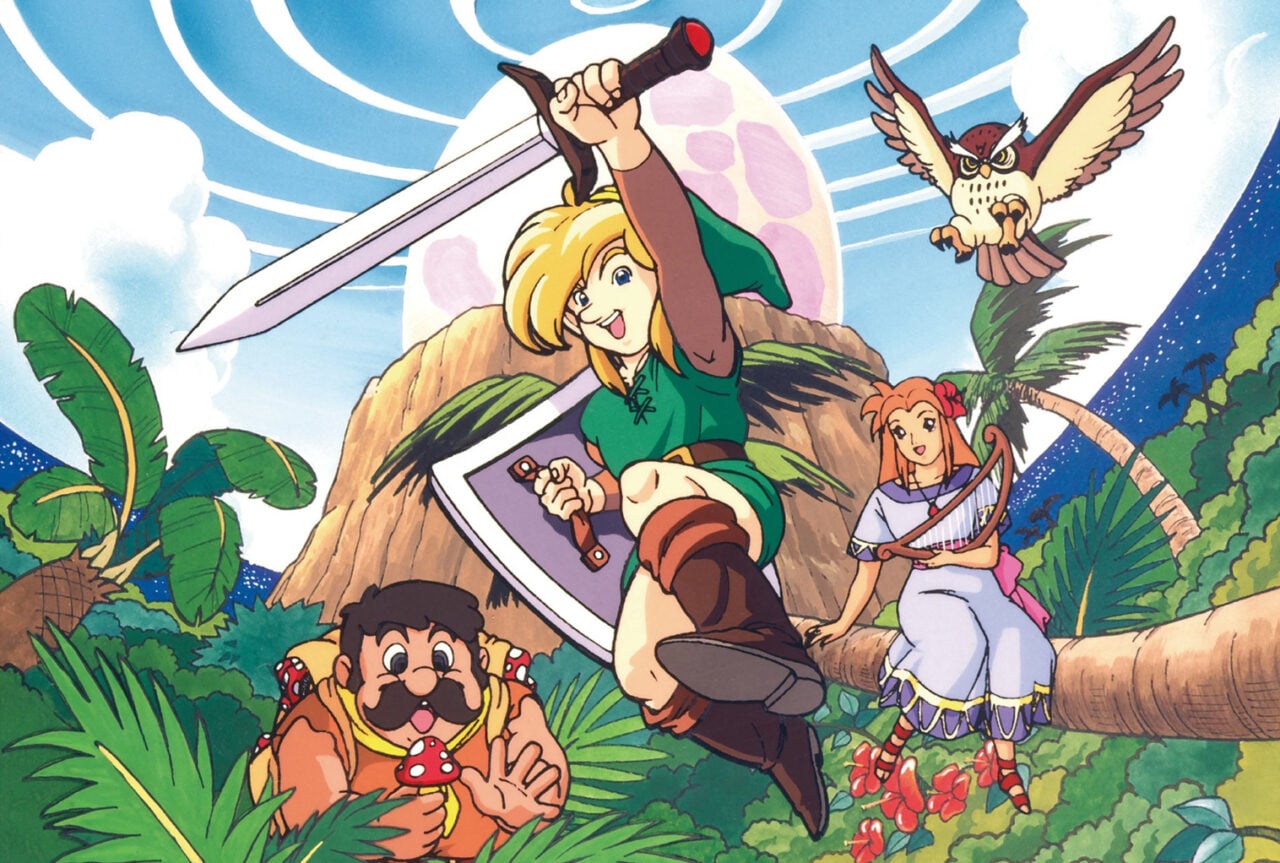
### Takashi Tezuka: A Heritage of Innovation at Nintendo
Earlier this week, Takashi Tezuka, a veteran producer and executive officer at Nintendo, declared his retirement from the legendary gaming company. His career, which commenced in the mid-1980s, has made a lasting impact on the video game sector, contributing to several of the most crucial titles in gaming history, including *Super Mario Bros.*, *The Legend of Zelda*, and *Animal Crossing*. Among his many accomplishments, Tezuka is especially esteemed for his work on *Link’s Awakening*, a game frequently credited with guiding the Zelda franchise toward richer storytelling and gameplay advancements.
#### Early Career
Tezuka’s connection with Nintendo began after he finished art school, where he submitted an application for a role alongside a friend. While his friend was not chosen, Tezuka was accepted into Nintendo, despite having minimal prior exposure to video games. His influences leaned more toward art and cinema than arcade gaming; he has even mentioned that he had never heard of *Pac-Man* before joining the firm.
This outsider viewpoint became Tezuka’s unique advantage at Nintendo. He injected creative ideas such as the Boos in *Super Mario Bros. 3* and Yoshi in *Super Mario World*. As the director of *The Legend of Zelda: Link to the Past*, Tezuka introduced new dimensions and dynamics to the classic franchise, which was celebrated for its immersive world design and enchanting melodies.
#### Breakthrough with Link’s Awakening
While *Link to the Past* adhered to a relatively conventional sword-and-sorcery plot, *Link’s Awakening*, Nintendo’s inaugural handheld Zelda game, marked a substantial change. Originally planned as a direct remake of its predecessor, the development team ultimately experimented with the Game Boy’s capabilities, evolving the game into something distinctive. Tezuka directed his team to imagine a Zelda title that deviated from familiar components: it lacked the Triforce, Hyrule, or even Princess Zelda herself.
In an episode of Iwata Asks, Tezuka disclosed that the creative vision for *Link’s Awakening* was drawn from David Lynch’s television series *Twin Peaks*, which was a significant hit at the time. He sought to create a small, easily digestible game world populated with unique characters and unconventional stories. Producer Eiji Aonuma highlighted that Tezuka envisioned the residents of Koholint Island as quirky and mistrustful, adding layers of fascination to the gameplay.
The stakes in *Link’s Awakening* exceeded the ordinary mission to defeat evil; the game’s plot centered on repairing a disrupted reality. The triumph of *Link’s Awakening* established a benchmark for upcoming Zelda installments, with its quirky, arthouse components shaping the design and storytelling of later games, including the revolutionary *Ocarina of Time*.
#### Lasting Impact
Tezuka’s inventive contributions have left an undeniable mark on the Zelda series. His knack for expanding the boundaries of what was allowed in the franchise introduced new characters and narratives that emphasized depth and nuance over traditional high-fantasy clichés. As Iwata remarked, “Tezuka-san, you broadened what was permissible for Zelda without even realizing it.”
With his retirement, Takashi Tezuka departs leaving a legacy characterized by bold creativity and a readiness to challenge limits, ensuring that the games he contributed to will keep captivating and inspiring countless players for years to come. His progression from an art school graduate with limited gaming experience to a pivotal architect of some of the most cherished titles in video game history illustrates the strength of innovation and determination in the industry.
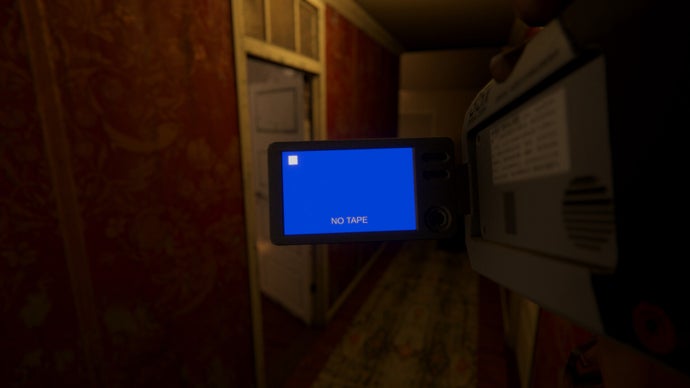
Sorry to all the Paranormal Activity heads out there, but the upcoming game adaptation Threshold has crossed over to the other side. Brian Clarke, the solo dev that goes by DarkStone Digital for his gaming exploits and maker of 2022’s The Mortuary Assistant, shared the news to his personal Zwitter account earlier this week alongside a statement explaining why the game has been cancelled.
### GTA 6 Update: Marketing Momentum Intensifies Ahead of Launch
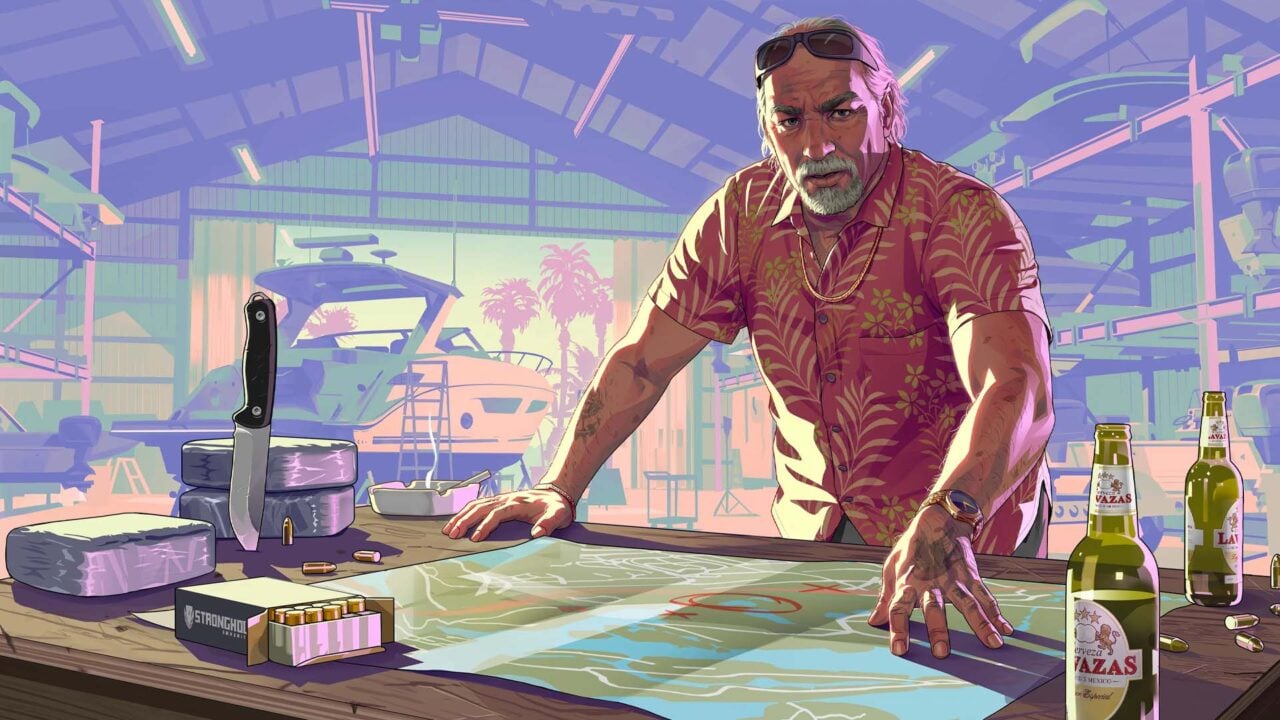
As excitement builds for the upcoming chapter of the legendary series, Grand Theft Auto 6 (GTA 6), signs are increasingly pointing to Take-Two Interactive and Rockstar Games gearing up to provide major updates about the game in the near future. This buzz is further amplified by evidence directly linked to Sony, a key marketing ally for the game.
#### Sony’s Promotional Strategy
Long-time Rockstar Games reporter Videotech has noted that numerous users have reported receiving targeted promotional emails from Sony that specifically reference GTA 6. Interestingly, some messages have been sent straight to PlayStation accounts. These communications appear particularly aimed at PlayStation 4 users who have not yet upgraded to PlayStation 5. The marketing emails notably entice users with phrases like, “Grand Theft Auto VI is on your wishlist. Acquire a PlayStation 5 today to prepare for the Grand Theft Auto VI release on November 19, 2026.”
#### Take-Two and Rockstar’s Joint Marketing Efforts
Sony’s active marketing campaigns are crucial as the company has maintained a close partnership with Rockstar Games since the debut of GTA 6’s second trailer in May 2025. This collaboration has been apparent in promotional content, including the “Captured on PS5” tagline that appears at the conclusion of the trailer. Additionally, Take-Two’s CEO, Strauss Zelnick, confirmed in a recent interview that the duration of console exclusivity for the game is linked to Sony’s marketing arrangement, highlighting their close collaboration.
In an unanticipated display during a recent earnings call, GTA 6 was showcased alongside other prominent games, signaling a clear effort for visibility as the release date nears.
#### Growing Industry Excitement
Zelnick has been actively interacting with the press, giving multiple interviews that discuss the GTA 6 launch. These conversations have sparked exciting speculation regarding the upcoming title. Furthermore, Game Informer hinted at an imminent reveal of a “[REDACTED]” game on its cover next week, igniting additional enthusiasm, particularly given their history of unveiling significant franchise launches.
As May 19 approaches, marking six months until the formal release date of GTA 6, it seems likely that both Take-Two and Sony are intensifying their marketing initiatives. The current pricing for PlayStation 5 consoles necessitates that Sony primes potential buyers in advance of the game’s release, encouraging players to ensure they possess the required hardware to enjoy the new title.
#### Conclusion
With the gaming community eagerly anticipating further updates, the partnership between Sony and Take-Two, coupled with ongoing marketing strategies, indicates that concrete news regarding Grand Theft Auto 6 may be just around the corner. This could herald the start of an exhilarating campaign leading up to one of the most awaited game launches in recent history.